Estonia named a rising food destination for 2026: OLIVE highlights Tallinn’s best restaurants
British food and travel magazine OLIVE named Estonia the Emerging Food Destination of the Year 2026. Discover which restaurants, bakeries and food experiences in Tallinn and Harju County the magazine highlights.
Estonia has made its way onto the international food map. British food and travel magazine OLIVE named Estonia the Emerging Food Destination of the Year at its 2026 Travel & Taste Awards.
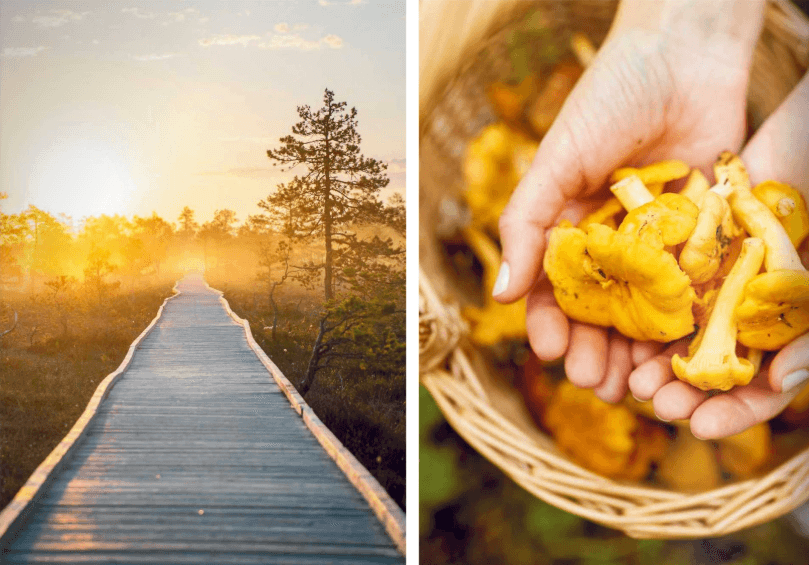
OLIVE describes Estonia as an exciting culinary destination where Baltic food traditions meet New Nordic cuisine. The magazine highlights local ingredients, seasonality, foraging and a strong connection with nature — from forests and the coastline to islands and bogs.
And Estonia did not simply make the list of award winners. The special Travel & Taste Awards 2026 issue of OLIVE features an entire story dedicated to Estonia, introducing our food culture, traditional flavours and places to eat and drink around the country.
Estonian cuisine: from forest, sea and field
In OLIVE’s feature, Oliver Saaremäel, head chef at SOO restaurant, talks about Estonian cuisine. One of the strengths of Estonian food culture is its close connection with nature — around half of Estonia is covered by forest, while the sea, islands, bogs and wetlands also play an important role in shaping our cuisine.
As a result, wild mushrooms, berries, game and fish naturally find their way onto the table. The magazine also draws attention to several flavours that are very familiar to Estonians: mulgikapsad, sprat sandwiches, kama, kohuke, rye bread, local fish and craft cider.
Another distinctive feature of Estonia is the way traditional flavours and local ingredients have found their place in contemporary restaurant culture.
Where does OLIVE recommend eating and drinking in Estonia?
In addition to introducing Estonian food culture, OLIVE shares specific recommendations for places to eat and drink in Estonia. The selection includes restaurants and bakeries in Tallinn, a winery in Harju County, and tasting-menu restaurants surrounded by nature.
Fotografiska Restaurant, Tallinn
Located on the rooftop of the photography museum in Telliskivi, Fotografiska Restaurant caught OLIVE’s attention with its cuisine focused on plant-based and locally sourced Estonian ingredients.
The restaurant’s menu also shows where its ingredients come from. Among the dishes highlighted by OLIVE are pike-perch with tomato gazpacho and tomato XO sauce, roasted carrots with Estonian “nduja”, and a Swiss roll served with ice cream made from rooftop-garden herbs.
Fotografiska’s rooftop also features a bar and kitchen garden, with freshly picked ingredients finding their way into drinks as well. OLIVE’s latest Tallinn restaurant guide also names Fotografiska as one of the places to visit in the Estonian capital.
Veinivilla Veinikelder, Harju County
Set among the forests of Lahemaa, Veinivilla Veinikelder is run by mother and son Tiina and Gregor.
This small winery produces wines from local berries, fruit and grapes. OLIVE particularly highlights their distinctive sparkling rhubarb wine.
Alongside wine tastings, visitors can explore the winery, take part in a forest tasting and learn more traditional cooking techniques. OLIVE describes Veinivilla as a chance to experience Estonian rural life and local flavours in a less conventional way.
Hiis, Harju County
According to OLIVE, Hiis Restaurant serves a refined 15-course tasting menu in an environmentally conscious countryside restaurant.
Ingredients come from the surrounding forests, meadows and coastline, while the menu itself is deliberately kept minimalist. Dishes are not explained to diners in detail beforehand — instead, the menu may simply list combinations such as “tomato / wild garlic”, “eel / juniper” or “nettle / buckwheat”.
This way, part of the experience is intentionally left as a surprise.
Pulla Bakery, Tallinn
For fresh focaccia or warm sourdough straight from the oven, OLIVE recommends Pulla Bakery in Tallinn’s Old Town.
The cosy bakery café serves both savoury focaccia and sweet, fluffy sourdough buns. OLIVE recommends pairing them with locally roasted coffee — or, for an Estonian twist, a version with a splash of spicy Vana Tallinn liqueur.
Pulla Bakery is also featured in OLIVE’s online guide to Tallinn restaurants as one of the places worth stopping by in the Old Town.
Restaurant Moon, Tallinn
At Restaurant Moon in Telliskivi Creative City, the focus is on contemporary interpretations of Slavic cuisine.
OLIVE highlights warm buckwheat blinis with caviar, salted pork fat known as salo, handmade Siberian dumplings with wild mushroom sauce, and the restaurant’s signature dish — chicken Kyiv with house-made spicy adjika.
The drinks selection also has a distinctly Estonian character, featuring raspberry wine, dry apple cider, poppy gin from Muhu Island and caraway liqueur.
Restaurant Moon is also featured in OLIVE’s latest online Tallinn restaurant guide.
SOO Restaurant at Maidla Nature Resort
Located around 45 minutes from Tallinn, Maidla Nature Resort is home to SOO restaurant, which receives special attention in OLIVE’s Estonia feature.
The restaurant has just five tables per evening, making the whole experience highly personal. Head chef Oliver Saaremäe’s eight-course tasting menu changes with the seasons and combines ingredients sourced from Estonian nature in unexpected ways.
Among the examples highlighted by OLIVE are smoked eel with green strawberries, grilled venison with truffle, and fermented redcurrants with chanterelles.
The kitchen also aims to find new uses for leftover ingredients — for example, turning them into infusions that are paired with Estonian craft beverages in cocktails.
SOO head chef Oliver Saaremäel is also one of the key voices in OLIVE’s Estonia feature, introducing readers to the history of Estonian cuisine, local ingredients and traditional flavours.
Âme Restaurant at Nunne Boutique Hotel
Located in Tallinn’s Old Town at Nunne Boutique Hotel, Âme restaurant is described by OLIVE as a cosy restaurant with elegant Nordic design, where Estonian ingredients are given a contemporary interpretation influenced by French cuisine.
The magazine highlights dishes such as goat’s cheese and redcurrant mille-feuille, venison tartare and pike-perch fillet with pickled fennel.
Estonian flavours also appear at the hotel’s breakfast table, with options including dark rye bread, sprats, potato dishes, apple cake and local berries.
OLIVE’s Tallinn online guide also recommends Nunne Boutique Hotel and its Âme restaurant, highlighting the way local Estonian ingredients are combined with contemporary French cuisine.
Estonia and Tallinn on the international food map
OLIVE’s recognition offers a good picture of why Estonian cuisine is receiving increasing attention abroad.
Our strength does not lie in exporting one particular “national dish”, but rather in local ingredients, strong seasonality, foraging, flavours from the forests and sea, and an increasingly creative restaurant culture.
In OLIVE’s latest Tallinn restaurant guide, the city is described as a meeting point of Baltic and Nordic influences. In addition to the places mentioned above, the guide also highlights Lore Bistroo, Fume, Põhjala Brewery & Tap Room, Veino, Mon Repos, Karjase Sai and Balti Jaama Turg.
OLIVE’s feature shows that Estonia is no longer simply an exciting travel destination — its food culture has become a reason to visit in its own right.